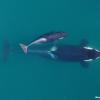
Canada’s approval of the Trans Mountain Pipeline project this week is a glaring reminder that the endangered orcas of the Salish Sea may still go extinct. People concerned about a southern resident killer whale population that has dipped to 76 should keep fighting this bad decision, which could push these beloved orcas over the edge.
Environmental Law Alert Blog
Through our Environmental Law Alert blog, West Coast keeps you up to date on the latest developments and issues in environmental law. This includes:
- proposed changes to the law that will weaken, or strengthen, environmental protection;
- stories and situations where existing environmental laws are failing to protect the environment; and
- emerging legal strategies that could be used to protect our environment.
If you have an environmental story that we should hear about, please e-mail Andrew Gage. We welcome your comments on any of the posts to this blog – but please keep in mind our policies on comments.

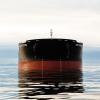
Efforts to protect BC’s northern coast go back half a century and are not to be taken lightly as the Senate considers killing Bill C-48.

At Confederation, Sir John A. Macdonald famously referred to Canada’s Senate as a chamber of sober second thought. One, he said, that “will never set itself in opposition against the deliberate and understood wishes of the people.”
Sir John A. should be turning in his grave.
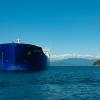
A legislated oil tanker ban on the north Pacific coast is within reach. Senators are preparing to vote on Bill C-48 – the Oil Tanker Moratorium Act – and they need to hear from you one last time.
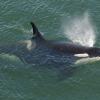
People have strong attachments to killer whales in British Columbia. They star in stories, art and legends of many First Nations and coastal communities.

Each year, the number of southern resident killer whales (SRKWs) in the Salish Sea declines, another seemingly doomed species in the age of the Sixth Extinction.

Forty-nine years ago Earth Day was born. Millions of people are working on solutions to the Earth’s deep and intractable human-caused maladies.

Help is on the way for some endangered southern mountain caribou. There are two plans under development to save this threatened species, and the BC government is consulting with the public about these plans.
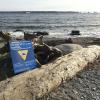
Prevention of environmental damage is always better than response and clean-up. This became very obvious to residents in Metro Vancouver in 2015, when a cargo ship, the MV Marathassa, spilled 2,700 litres of fuel into the waters of English Bay.
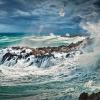
Increasingly, we are seeing stories of how the ocean is changing – both locally off the coast of BC, and on a global scale.