As British Columbia focuses on strengthening BC’s economic security in a world in turmoil, it should be putting significant energy into an existing marine policy, including strengthening it through law.
In July 2024, British Columbia released its first ever Coastal Marine Strategy, a long-term vision for stewarding coastal and marine resources in the province. In the Strategy, the government makes significant commitments aimed at protecting wild salmon, biodiversity and ecosystem health, safeguarding and growing our blue economy, and protecting communities from the impacts of climate change.
The Coastal Marine Strategy’s goals support smart economic policy: marine-based tourism and recreation alone generate over $5 billion annually, and the global ocean economy is projected to double between 2010 and 2030, with employment growth outpacing that of the broader global workforce by 20%. The Province has recognized this and included the maritime and tourism sectors in its Look West 10-year economic strategy.
With increasing climate impacts, the health of our coasts is critical for human safety and security, and responsible economic management. The “ecosystem services” (including flood protection, erosion control and water filtration) provided by coastal areas are massive.
A 2023 Statistics Canada report found the value of carbon sequestration, harvested wild fish and seafood, and nature-based tourism provided by Canada’s ocean and coastal ecosystems was $7.1 billion – with other reports finding a significantly higher value, once more benefits are considered. These are costs that would be borne by taxpayers, if these systems weren’t healthy.
To fully achieve the Coastal Marine Strategy’s goals, and to protect and restore the coastal areas that support these vital systems and economies, a new coastal marine law and amendments to existing legislation are required (these would typically be presented to the legislature together in a bill). The Province itself acknowledges in the Strategy that a “key challenge to coastal management in BC is the absence of a legal framework specifically designed to govern and manage coastal marine areas” and that “new coastal zone legislation… [is] long overdue.”
Recognizing this need, many stakeholders – including First Nations, stakeholders, local governments and the Union of BC Municipalities – have been calling for the provincial government to legislate the Strategy.
A new law, or “Coastal Marine Act,” along with amendments to existing laws could:
1) Address marine pollution and contaminated seafood
In the Coastal Marine Strategy, the Province commits to create a healthy shellfish initiative modelled off the successful program in Washington State. New legislation would be needed to require shellfish pollution identification and correction programs be developed and implemented when shellfish beds are closed because of water pollution, as was done in Washington. New legislation could also establish a provincial agency to address derelict vessels and legally require local governments to implement measures to prevent debris from entering ocean.
2) Protect coastal habitats
Eelgrass meadows, kelp forests, estuaries and salt marshes are valuable coastal marine habitats that are threatened by the cumulative impacts of development, climate change and pollution. Currently, shoreline development in BC is governed by a patchwork of local government regulations (some local governments have no bylaws – and no capacity to develop them, and others have detailed marine or shoreline development permit areas). This results in uncertainty for the public and industry.
A new law would be required to enact a clear, consistent and protective regime province-wide – to restrict new hard armouring structures except in rare circumstances and to require setbacks a certain distance from the high-water mark for any development that does occur. The regime could also ensure cumulative effects (including to wild salmon, blue carbon habitats and First Nations access to traditional seafood) are considered when issuing tenures in coastal areas. The Province has an existing regime in the freshwater context which could be used as a starting point.
3) Facilitate shoreline restoration
Amendments to existing law would be required to incentivize “Green Shores” natural shoreline projects through tax exemptions, and new legislation is required to prevent waterfront property owners from vetoing public interest shoreline restoration projects.
4) Recognize and standardize marine plans
Marine spatial planning is a process to decide where and when human activities can occur in marine areas, to achieve specific ecological, economic and social objectives. New legislation could recognize existing marine and coastal plans co-developed with First Nations and put in place standards that future marine planning must follow.
In addition, accountability and transparency should be a critical goal of a new law: it could require the government to report on its progress on Coastal Marine Strategy implementation to the legislature and to the public. A reporting and mandate requirement has been done in other contexts, including for legislated climate commitments, and is particularly important for the Coastal Marine Strategy given its 20-year timeframe.
In this January 2026 memorandum, we expand on the above reasons for why a new Coastal Marine Act and associated amendments to existing legislation will help achieve the Coastal Marine Strategy’s promises. We also list many other potential Coastal Marine Strategy activities that can be completed by amending or enacting new regulations under existing laws, creating new policies, or amending existing policies – all of which can be done without requiring a new bill be tabled in the Legislature. But ultimately, the comprehensive coastal management regime that was promised by the Coastal Marine Strategy cannot be fully achieved without a new Coastal Marine Act.
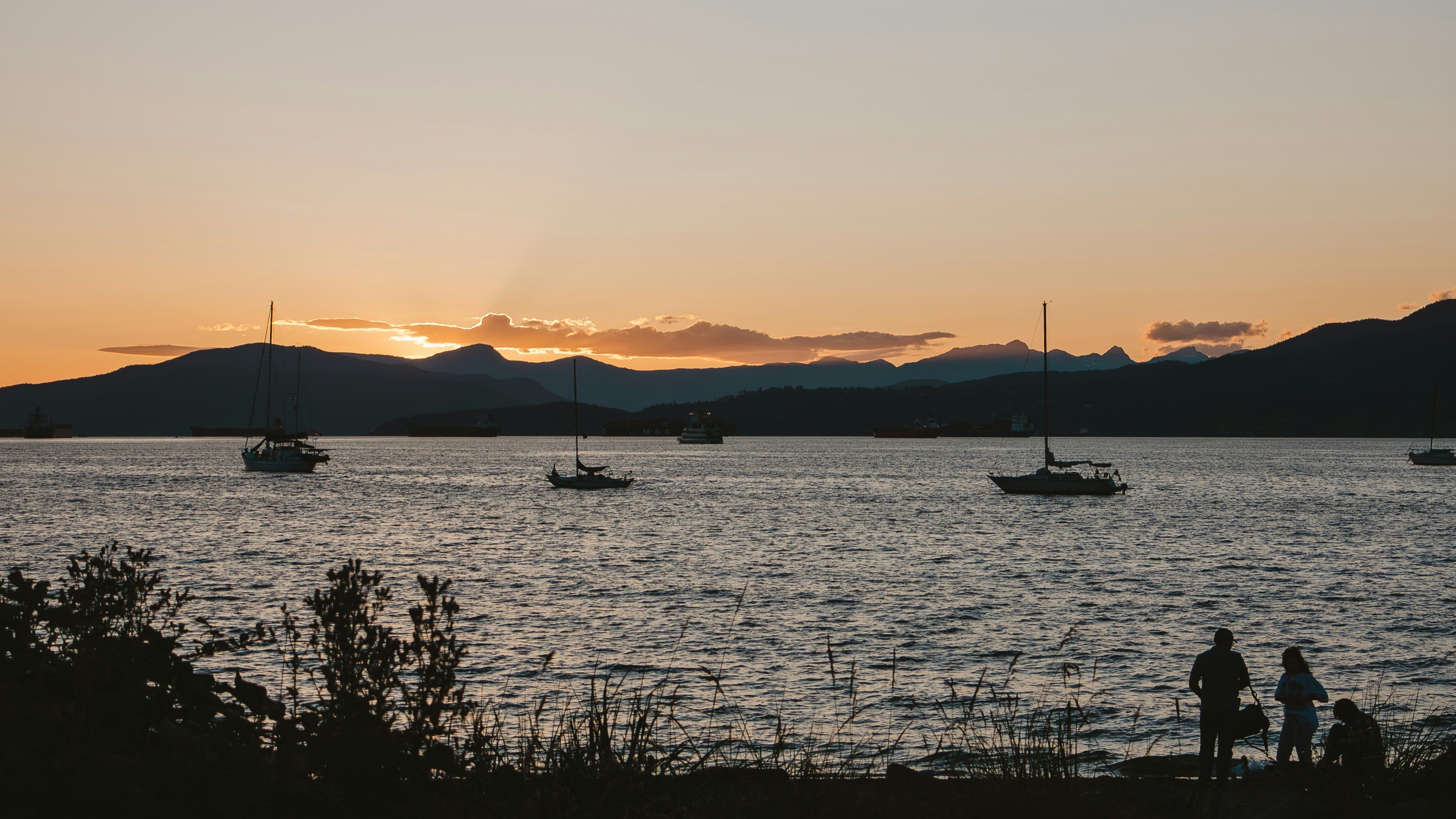
Top photo: Chris Guan (Unsplash)